Rice Cooker Overcooking Rice: DIY Solutions
Rice cookers are designed to make meal prep easy. You add rice, water, and let the appliance handle the rest. But sometimes, instead of fluffy grains, you end up with overcooked or mushy rice. If your rice cooker keeps overcooking rice, the problem might not be the rice itself, but the appliance’s condition, your measurements, or even small mistakes in your cooking routine. Luckily, there are several easy DIY fixes to get your rice cooker back to perfect performance.
Why Rice Cookers Overcook Rice
Before jumping into solutions, it helps to understand what’s going wrong. A rice cooker works by heating water until it’s absorbed or evaporated, then automatically switching to “warm” mode once the temperature rises above the boiling point. When this process doesn’t work correctly, it usually comes down to one of the following issues:
- Too much water: Excess water can cause rice to cook longer, resulting in soggy, overdone grains.
- Dirty sensors: Built-up residue on the heating plate or sensor can interfere with temperature detection.
- Damaged inner pot: A warped or scratched pot can affect heat distribution.
- Faulty thermostat: If the thermostat doesn’t detect the right temperature, the cooker may stay in “cook” mode too long.
- Incorrect rice-to-water ratio: Different rice types need different water amounts.
DIY Solutions to a Rice Cooker Overcooking Rice
Now, let’s look at how you can fix these issues with simple DIY steps.
1. Clean the Heating Plate and Sensors
Residue or starch build-up on the rice cooker’s base or inner heating plate is one of the most common causes of overcooking. To fix this:
- Unplug the rice cooker and let it cool completely.
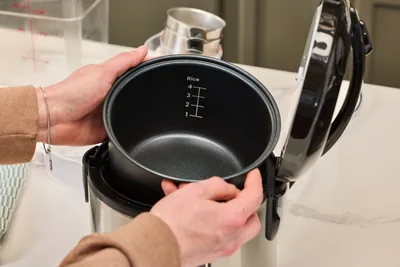
- Remove the inner pot and gently wipe the heating plate with a damp, soft cloth.
- For stubborn residue, use a little vinegar on a cotton pad, then wipe again with water.
- Make sure the plate is completely dry before using the cooker again.
A clean heating plate ensures that the cooker accurately senses when to switch from “cook” to “warm” mode.
2. Check the Inner Pot for Warping
If the inner pot doesn’t sit flat on the heating plate, the rice may cook unevenly or stay on high heat longer than intended. Inspect the pot for dents, scratches, or discoloration.
- If the bottom is warped, try pressing it flat again with gentle pressure using a wooden block.
- If it’s severely damaged or has peeling non-stick coating, consider replacing it.
A level, smooth pot ensures consistent heat transfer and prevents overcooking.
3. Adjust Your Water Ratios
Overcooked rice often means there’s too much water. While most rice cookers come with standard water lines, you may need to fine-tune them based on your rice type and humidity.
Try these general ratios:
- White rice: 1 cup rice to 1 cup water (slightly less if you prefer firmer grains)
- Jasmine rice: 1 cup rice to 0.9 cups water
- Brown rice: 1 cup rice to 1.25 cups water
- Sushi rice: 1 cup rice to 1.1 cups water
Always rinse rice before cooking to remove extra starch, which can cause stickiness and clumping.
4. Use the “Warm” Mode Strategically
Leaving rice too long on the “keep warm” setting can overcook it from residual heat. To prevent this:
- Switch off the cooker or unplug it 5–10 minutes after cooking finishes.
- Fluff the rice with a paddle right away to release steam.
- If you’re not ready to eat yet, leave the lid open slightly to avoid trapping extra heat.
5. Inspect the Thermostat
If your rice cooker consistently overcooks rice even after cleaning, the thermostat might not be detecting temperature correctly.
- Remove the inner pot and locate the small metal thermostat button in the center of the heating plate.
- Press it lightly. It should move freely and spring back. If it’s stuck, gently clean around it with a cotton swab.
- Avoid using sharp tools that could damage the sensor.
If it still malfunctions, replacement thermostats are available online for many brands, and installing one usually takes just a screwdriver and basic wiring knowledge.
6. Add a Layer of Protection
If your cooker tends to run hot even when clean, try placing a thin silicone mat or parchment circle under the pot (only if your manufacturer’s manual allows it). This adds a small buffer layer between the heat source and the pot, reducing direct heat transfer and helping prevent overcooking.
7. Consider Environmental Factors
Sometimes humidity or altitude affects rice cooking results. In very humid environments, reduce your water slightly. At higher altitudes, water boils at a lower temperature, so you may need to add a little extra water or use the “slow cook” function if available.
8. Reset and Recalibrate
Some modern digital rice cookers have sensors that can be reset. Unplug the appliance for a few minutes to clear its memory, then restart. For advanced models, check the manual for a recalibration or “test cook” setting.
How to Prevent Future Overcooking
Consistency is key. Always:
- Rinse rice thoroughly before cooking.
- Measure rice and water with the same cup.
- Clean the cooker after every use.
- Keep the inner pot dry before placing it in the cooker.
Over time, these habits help maintain even heating and accurate cooking performance.
When to Replace Your Rice Cooker
If your rice cooker still overcooks rice despite all these fixes, it might be time for an upgrade. A failing thermostat, damaged sensors, or a worn-out heating plate can make the appliance unreliable. Modern models offer better temperature control and multi-grain settings, giving you consistent results with minimal effort.