

Indian Non-Basmati Rice Prices Slide as African Trade Shifts and Fresh Supply Enters Market
Indian non-basmati rice prices have dropped to some of their lowest levels in years as export demand weakens and fresh crop arrivals increase supply pressure across the market. Traders and analysts say changing import policies in parts of Africa, combined with stronger domestic availability, are pushing prices downward at a faster pace than many exporters expected.
One of the biggest factors affecting the market has been the disruption in West African trade flows. Countries such as Burkina Faso have recently tightened rice import policies, while shifting regional trade routes through neighboring countries have created uncertainty for exporters. Market participants say this has reduced buying activity and increased concerns about oversupply in some African destinations that traditionally rely heavily on Indian parboiled rice.
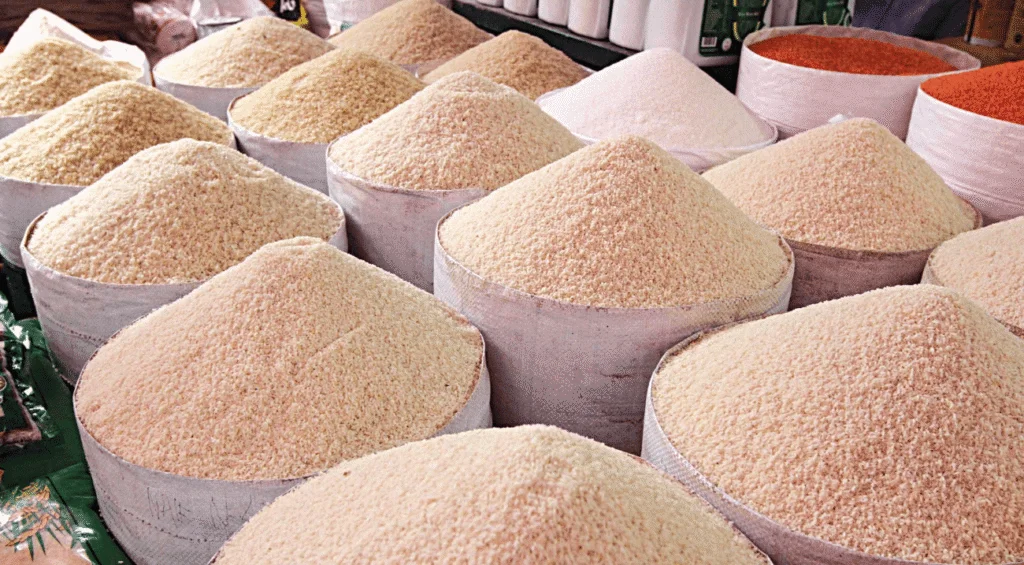
At the same time, India’s new-season crop arrivals have added further pressure on prices. Increased supply availability has made exporters more aggressive in pricing, especially as global buyers expect production to remain strong through 2026. Industry observers note that India’s large rice inventories and competitive export pricing are reshaping global trade dynamics, particularly for price-sensitive importing nations in Africa and Asia.
Recent assessments from commodity market analysts showed Indian parboiled rice prices falling sharply compared to previous years, reflecting weaker demand momentum and rising supply competition. Exporters are also facing pressure from softer international sentiment after the easing of earlier export restrictions helped increase global rice availability.
Despite the current downturn, India remains the dominant supplier in the global rice trade. African markets continue to account for a large share of India’s non-basmati rice exports, although traders say near-term pricing could remain under pressure unless import demand strengthens again in the coming months.

