Your Guide to Using Your Rice Cooker to Make Oatmeal and Porridge
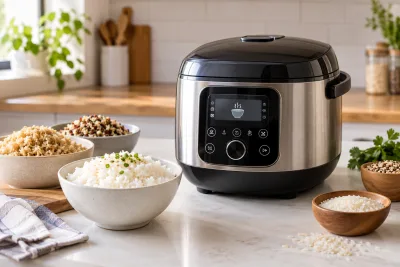
A rice cooker is one of the most versatile appliances in the kitchen, and it can do far more than cook rice. If you’re looking for a simple, hands-off way to prepare a warm and filling breakfast, your rice cooker can easily handle oatmeal and porridge. With minimal prep and very little monitoring, it delivers consistent results every time.
This guide walks you through how to use your rice cooker for oatmeal and porridge, including ingredient ratios, settings, and tips to avoid common mistakes.
Why Use a Rice Cooker for Oatmeal and Porridge
Using a rice cooker takes the guesswork out of breakfast. Unlike stovetop cooking, where oats can burn or boil over if unattended, a rice cooker regulates heat automatically.
Key benefits include:
- Even cooking without constant stirring
- Lower risk of scorching
- Ability to cook larger batches
- Easy cleanup with a single pot
- Ideal for busy mornings or meal prep
Whether you prefer creamy porridge or thicker oatmeal, a rice cooker provides steady heat that allows grains to soften properly.
Best Types of Oats and Grains to Use
Not all oats behave the same in a rice cooker. Choosing the right type helps you get the texture you want.
Rolled Oats
These are the most reliable options. They cook evenly and create a creamy texture without becoming mushy.
Steel-Cut Oats
Steel-cut oats work well but require more liquid and a longer cooking time. The result is a chewier, heartier porridge.
Quick Oats
Quick oats cook very fast and can become overly soft. If using them, reduce cooking time and liquid slightly.
Rice Porridge Alternatives
Many rice cookers are also used for rice-based porridge, such as congee. Short- or medium-grain rice produces the creamiest results.
Basic Oatmeal Recipe in a Rice Cooker
This is a simple starting point that you can adjust based on preference.
Ingredients
1 cup rolled oats
2 to 2½ cups water or milk
Pinch of salt
Instructions
Add oats, liquid, and salt to the rice cooker pot. Stir briefly to combine. Close the lid and select the regular cook or porridge setting. Allow the oatmeal to cook until the cooker switches to warm. Stir before serving.
If your rice cooker does not have a porridge setting, the standard cook function usually works well for rolled oats.
How to Make Creamy Porridge
For a smoother, richer porridge, milk or a milk-and-water combination works best. Here are some tips for a creamier texture:
- Use more liquid than oats
- Stir halfway through cooking if possible
- Let the porridge rest on warm for 5 to 10 minutes before serving
Steel-cut oats typically need about 3 to 4 cups of liquid per cup of oats and may take 25 to 40 minutes, depending on the cooker.
Avoiding Boil-Overs and Mess
One of the most common issues when making oatmeal is boil-over. Rice cookers help reduce this risk, but it can still happen.
To prevent spills:
- Do not fill the pot more than halfway
- Use a larger cooker for batch cooking
- Lightly coat the inner pot with oil or butter
- Keep the lid closed during cooking
Foamy liquids like milk are more likely to bubble up, so extra space in the pot is important.
Flavor Ideas and Add-Ins
Once you’ve mastered the base recipe, customization is easy. You can add flavors before or after cooking.
Popular add-ins include:
- Cinnamon or nutmeg
- Honey, maple syrup, or brown sugar
- Fresh or dried fruit
- Nuts and seeds
- Nut butters or yogurt added after cooking
For savory porridge, try salt, pepper, soft-boiled eggs, scallions, or a drizzle of sesame oil.
Cleaning and Maintenance Tips
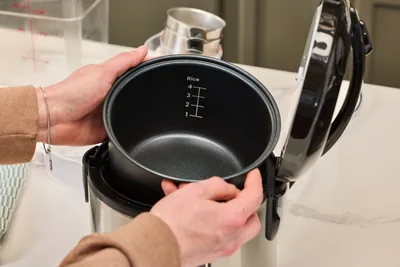
Most rice cookers have a nonstick inner pot, making cleanup simple. Let the pot cool slightly, then wash with warm water and a soft sponge. Avoid abrasive scrubbers, as they can damage the coating.
Wiping down the lid and steam vent regularly also helps prevent buildup and lingering odors.
Making Breakfast Easier with Your Rice Cooker
Using your rice cooker to make oatmeal and porridge is an easy way to simplify mornings while still enjoying a nutritious meal. With the right ratios and a few simple adjustments, you can achieve consistent results without standing over a stove.
Whether you’re preparing breakfast for one or cooking a batch for the week, your rice cooker can become a reliable go-to for warm, comforting meals beyond rice.