How to Fix Rusted Parts in Rice Cookers + Prevention Tips
Rust can develop in rice cookers over time, especially in humid environments or when moisture lingers after cleaning. While it’s normal for older units to show signs of wear, allowing rust to spread can affect performance, hygiene, and even the flavor of your rice. Fortunately, with the right care and techniques, you can remove rust safely and prevent it from returning.
Why Rust Forms in Rice Cookers
Rust is the result of oxidation, when iron or steel reacts with moisture and oxygen. In rice cookers, rust most commonly appears on the inner pot rim, heating plate, screws, or under the lid. Contributing factors include:
- Residual water or steam trapped after cooking
- Using abrasive sponges that remove protective coatings
- Storing the cooker in humid or poorly ventilated areas
- Chemical reactions from acidic foods left inside the pot
Understanding these causes helps you choose the right cleaning and prevention methods.
Step-by-Step: How to Fix Rusted Parts
1. Unplug and Disassemble the Rice Cooker
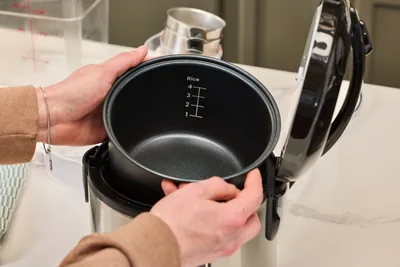
Always unplug the appliance before cleaning. Remove the inner pot, lid, steam vent, and any detachable parts. Let them cool completely before proceeding.
2. Identify Rusted Areas
Check both visible and hidden parts, such as the underside of the lid or heating plate edges. If rust is limited to removable components, the fix will be easier.
3. Use a Mild Rust Remover or Homemade Paste
Mix baking soda and water into a thick paste and apply it to rusted areas. Let it sit for 20–30 minutes, then scrub gently with a soft sponge or toothbrush. For tougher rust, use white vinegar or lemon juice. Both are mildly acidic and safe for cookware surfaces.
4. Rinse and Dry Thoroughly
After cleaning, rinse the components with warm water and dry them completely using a soft towel. Ensure no moisture remains before reassembling.
5. Sand and Recoat if Needed
For small metal areas with persistent corrosion, lightly sand the rusted surface using fine-grit sandpaper. Apply a thin layer of food-safe coating (like mineral oil) to prevent further oxidation.
6. Replace Severely Damaged Parts
If the inner pot or heating plate is deeply rusted or pitted, it’s safer to replace the component. Many brands, including Zojirushi, Panasonic, and Tiger, sell replacement parts online. Using damaged parts can compromise cooking quality and safety.
Rust on the Heating Plate: Can It Be Fixed?
Minor rust on the heating plate can sometimes be removed with gentle scrubbing and vinegar. However, deep rust pits or discoloration on electrical elements are signs of internal corrosion. If you notice uneven heating or strange smells, it’s best to stop using the unit and have it inspected by a certified technician or replaced entirely.
Preventing Rust in Your Rice Cooker
Preventing rust is easier than removing it. Follow these habits to extend your rice cooker’s lifespan:
- Dry immediately after cleaning: Always wipe down the lid, rim, and inner pot with a dry cloth.
- Avoid metal utensils: Use silicone or plastic utensils to protect the inner pot’s nonstick surface.
- Store in a cool, dry place: Keep the cooker uncovered for a few hours after each use to let moisture evaporate.
- Descale occasionally: Run a cycle with vinegar and water (1:1 ratio) every few months to prevent mineral buildup.
- Apply a light coat of oil: A thin layer of mineral oil on metal parts can act as a moisture barrier.
When to Replace Your Rice Cooker
Even with regular maintenance, no appliance lasts forever. If rust keeps returning, the nonstick coating flakes, or the cooker produces inconsistent results, it may be time for an upgrade. Modern models often feature improved stainless steel components and anti-rust coatings that resist moisture better than older versions.