Rice Cooker Non-Stick Pot Chipping and Replacement Guide
Rice cookers are a kitchen staple in many homes, prized for their convenience and consistency. But even the best rice cookers can develop a common problem over time: the non-stick inner pot starts to chip or peel. When that happens, it not only affects how your rice cooks. It can also raise concerns about food safety and taste. This guide will help you understand why non-stick pots chip, how to prevent damage, and when it’s time to replace them.
Why Does the Non-Stick Coating Chip or Peel?
Several factors can cause the non-stick coating in rice cookers to wear down. Most of them come from everyday habits that seem harmless but gradually damage the surface.
- Metal Utensils – Using metal spoons or spatulas can scratch and weaken the coating. Over time, these scratches lead to peeling.
- Overheating – Cooking without enough water or leaving the rice cooker on “keep warm” for too long can cause thermal stress, cracking the coating.
- Abrasive Cleaning Tools – Scouring pads, steel wool, or harsh cleaning powders strip away the non-stick layer.
- Improper Storage – Stacking heavy cookware on top of the rice pot can cause dents that break the coating’s surface.
- Age and Wear – Even with gentle use, non-stick coatings eventually degrade due to repeated heating and washing cycles.
Is It Safe to Keep Using a Chipped Non-Stick Pot?
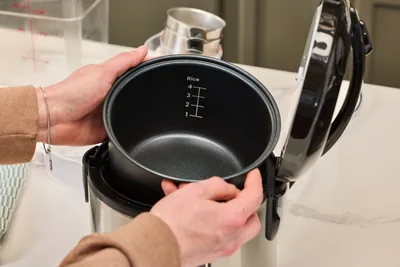
It’s generally not recommended. While most modern non-stick coatings (like PTFE or ceramic) are considered safe, once they start peeling, small flakes can mix with your food. These flakes don’t digest and may cause irritation in rare cases. More importantly, exposed metal beneath the coating can react with acidic ingredients and alter the flavor of your rice or soups.
If your rice starts sticking more than usual, developing burnt spots, or showing visible scratches, it’s best to stop using the pot.
How to Prevent Chipping and Extend Pot Life
Taking care of your non-stick inner pot can add years to its lifespan. Try these simple habits:
- Don’t Stack Pots Directly – Place a soft cloth or paper towel between them if you need to stack.
- Use Only Plastic, Silicone, or Wooden Utensils – These won’t scratch the surface.
- Avoid High Heat – Always ensure there’s enough liquid when cooking or reheating.
- Clean Gently – Use a soft sponge and mild detergent. Soak stubborn stains instead of scrubbing.
- Dry Completely Before Storing – Moisture trapped between pots can promote corrosion or mold growth.
How to Replace a Damaged Non-Stick Pot
If your rice cooker’s inner pot is chipped, you don’t have to replace the entire appliance, just the pot. Most brands sell replacement parts online or through authorized service centers.
- Check the Model Number – Look for a label on the rice cooker (usually at the bottom or back).
- Search for Compatible Parts – Visit the brand’s official website or trusted retailers.
- Compare Prices and Materials – Some replacement pots come in ceramic, stainless steel, or upgraded non-stick coatings.
- Order From Authorized Sellers – This ensures the pot fits properly and meets food-safety standards.
Common brands like Zojirushi, Tiger, Panasonic, and Cuckoo offer direct-fit replacements that match the cooker’s size and heating profile.
Should You Consider a Stainless Steel or Ceramic Alternative?
If you’re tired of replacing chipped non-stick pots, switching materials might be worth it.
- Stainless Steel Pots – More durable, scratch-resistant, and safe for high heat. However, rice may stick without proper soaking or oiling.
- Ceramic-Coated Pots – Offer non-stick benefits without harmful chemicals, but can still chip if mishandled.
- Clay or Cast Iron Inserts – Found in premium models; they cook rice evenly but require more care.
Each material has trade-offs, so choose based on your cooking style, budget, and how often you use your rice cooker.
How to Dispose of Old Non-Stick Pots Responsibly
Never throw non-stick pots in regular recycling bins. Instead:
- Check with local recycling centers. Some accept cookware if the metal base can be separated from the coating.
- If not recyclable, wrap the damaged pot before discarding it to prevent sharp edges from tearing garbage bags.
- Some manufacturers have return programs where they recycle old components when you buy replacements.
Keep Your Cooker Performing Like New
A well-maintained rice cooker can last a decade or more, but the inner pot is often the first part to wear out. By understanding what causes chipping and learning how to prevent it, you can save money and keep your rice tasting perfect. When the coating starts peeling, don’t risk it. Replacing the pot is simple, affordable, and keeps your cooking safe and consistent.